
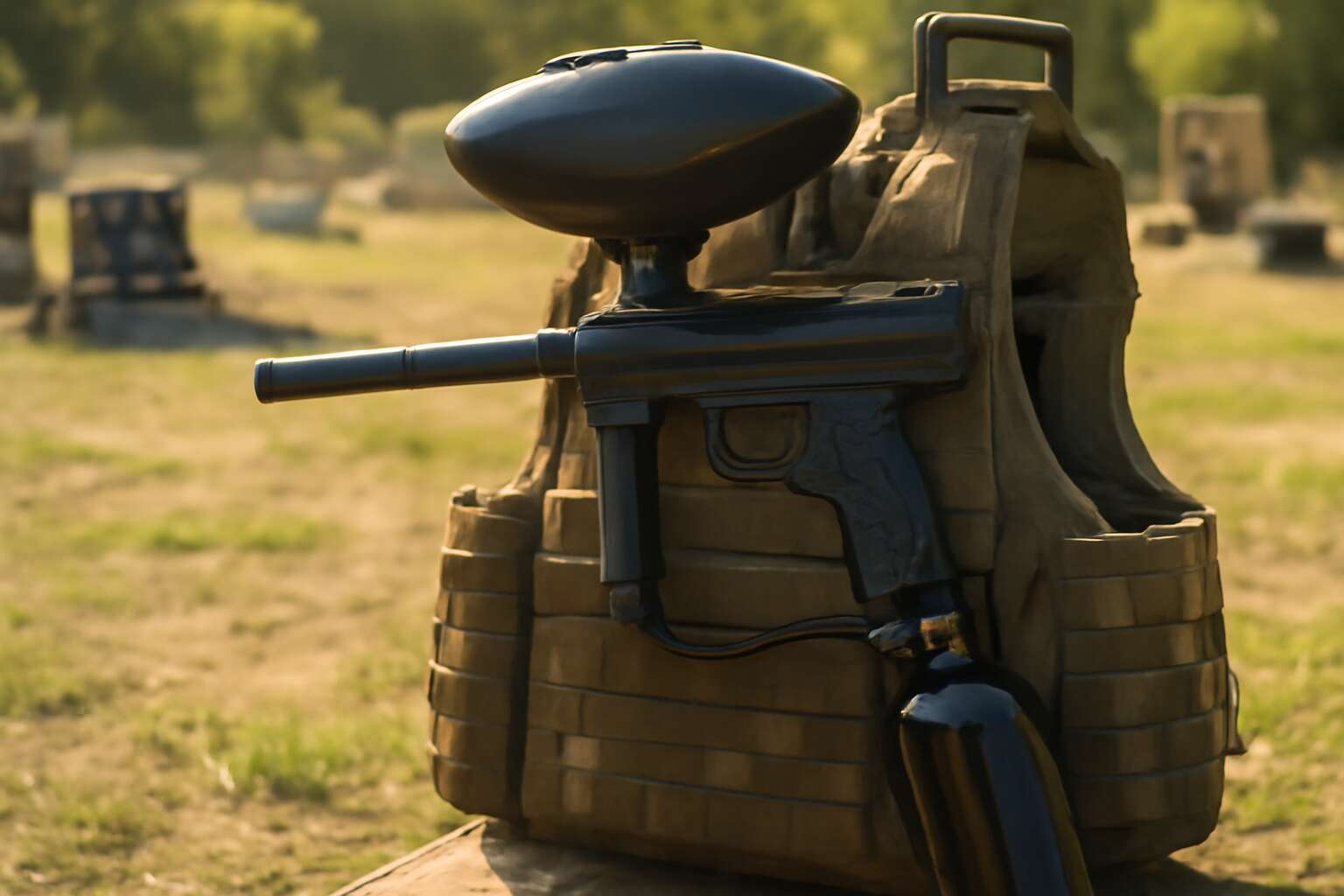
Understanding the concept of self defense paintball guns
Definition and scope of a self defense paintball gun
Across South Africa’s bustling streets and sunlit game parks, the line between sport and shelter feels newly delicate. A self defense paintball gun is a non-lethal option designed to de-escalate while preserving life. It sits at the intersection of recreation and protection, offering a controlled, marked response rather than harm. Safety-first engineering shapes every feature, from visible indicators to calibrated projectiles, ensuring intent is unmistakable and consequences are limited.
- Non-lethal markers that fire at regulated velocities
- Clear color coding to distinguish from lethal arms
- Ergonomic grips and reliable triggers for rapid, steady handling
- Compliance with South African regulations and venue policies
Ultimately, the scope of the self defense paintball gun spans training arenas, controlled demonstrations, and property protection where responsibility governs use. It fuses artistry with practicality, inviting discipline over bravado and signaling a culture where safety and elegance coexist in every shot.
How paintball technology supports personal safety
“Safety over spectacle is the truest bravado,” a veteran trainer insists, and the self defense paintball gun embodies that creed. Far from a toy, it reframes threat assessment into measured, non-lethal response, where intent is visible and consequences remain constrained.
The technology behind these markers translates caution into capability. Consider how calibrated velocity, unmistakable status indicators, and ergonomic handling coalesce to support personal safety on and off the field:
- Velocity regulation with built-in fail-safes to prevent overreach
- Distinct color cues and audible indicators that communicate intent
- Ergonomic design and real-time feedback to enable steady, rapid handling
In South Africa’s varied landscapes—from urban precincts to managed game parks—the self defense paintball gun offers a disciplined alternative that respects life while empowering quick, controlled responses. It is safety with elegance, played out in practice rather than bravado.
Legal considerations and compliance basics
“Safety is not about winning; it’s about preventing harm,” a veteran trainer reminds us, and in South Africa’s shadowed urban and rural landscapes, that restraint feels almost supernatural. Understanding the concept of a self defense paintball gun means pairing ethics with law, so safety never slips into spectacle.
Legal considerations and compliance basics anchor disciplined use:
- Legal status and classification under South African firearms or sport equipment regulations
- Authorized venues, field rules, and designated use conditions
- Safe handling, transport in a secured case, and storage away from minors
- Insurance, liability clarity, and ongoing training requirements
When these elements align, the tool becomes a measured, responsible response rather than bravado, a blend of safety, legality, and controlled action.
Safety gear and training prerequisites
“Safety isn’t superstition—it’s strategy,” a veteran trainer insists. In South Africa’s shadowed streets, deterrence matters as much as defense, and a measured tool can tilt the balance without escalation. Understanding the concept of a self defense paintball gun reveals a device built for restraint, not bravado, a line between protection and spectacle.
- Full-face paintball mask with certified eye protection
- Chest and rib padding plus durable gloves
- Comfortable, non-slip footwear and a secure holster or case
Beyond gear, training prerequisites focus on safe handling, field etiquette, and ethical decision-making. A qualified instructor guides you through awareness, controlled draw, and responsible response within legal boundaries—preparing you for real-world uncertainty without crossing lines.
Realistic use cases and defensive scenarios
One striking stat from a recent urban safety survey notes that calm, controlled responses reduce confrontation by a meaningful margin, favoring restraint over escalation. Understanding a self defense paintball gun means recognizing a device built for restraint as much as deterrence; it creates a visible boundary without crossing into aggression. In the shadowed streets of South Africa, deterrence matters as much as defense, and a measured tool can tilt the balance toward safety.
Realistic use cases and defensive scenarios include:
- Nighttime urban streets and transit corridors where visibility is limited
- Parking lots and shopping precincts after hours
- Residential estates and community access points with heightened security concerns
In these settings, the aim is to deter, to create space for escape, and to signal readiness without closing doors on dialogue.
Ethical decision-making and training guide every choice, ensuring safety remains a shared responsibility within legal boundaries.
Key features to look for in a self defense paintball gun
Caliber, paintball types, and ammunition logistics
In SA’s urban labyrinth, seconds decide safety; a well-chosen self defense paintball gun can defuse tension before it blooms. “Calm equipment saves lives when adrenaline runs high,” says a seasoned trainer.
- Ergonomics and balance for rapid, controlled aiming
- Caliber compatibility and consistent paintball delivery
- Feed reliability and durability under pressure
- Gas system robustness (CO2 vs HPA) and integrated safety features
Caliber and paintball types: Most markers shoot .68 caliber paintballs; some models offer .50 cal for lighter payloads. Biodegradable fills and high-visibility options enhance deterrence without leaving a heavy environmental footprint.
Ammunition logistics: Consider pod or magazine reloading efficiency, gas supply stability, and alignment with local field regulations to keep the rhythm steady and predictable.
Trigger safety and reliability
In the rush of a tense moment, trigger safety is everything! As a seasoned trainer reminds us, “Calm equipment saves lives when adrenaline runs high.” For a self defense paintball gun, look for a trigger with a crisp, predictable break and a short pull that you can trust without over-squeezing. Ambidextrous safety levers, clear visual indicators, and a reliably seated sear help prevent misfires and double taps in SA’s urban maze.
- Ambidextrous safety with a firm, tactile stop
- Crisp trigger with minimal creep and consistent pull weight
- Low likelihood of accidental discharge through secure sear engagement
- Durable trigger frame and trigger guard to avoid snags under stress
Reliability under pressure also comes from robust gas seals, easy maintenance, and components built to resist field grime. For a practical, field-ready approach, prioritize a configuration that balances safety features with responsive control, so every shot feels intentional and measured.
Velocity regulation and field limits
Velocity is the quiet gatekeeper of safety in SA’s tight spaces. A well-regulated self defense paintball gun stays within field limits, keeping shots predictable and risk low for bystanders. Clear regulation means every trigger pull lands with intention, not flare.
- Pre-set, field-legal velocity window with tamper-resistant locking
- Visible velocity indicators and chrono-readouts for quick checks
- Consistent regulator performance across temperature and air-pressure changes
- Robust air system that resists grime and maintains baseline pressure
Look for devices that clearly note the velocity range on the receiver and employ field-rated safeguards to prevent over- or under-shooting. This balance supports measured responses in SA’s urban mazes.
Ergonomics and one‑handed handling for rapid response
In your hand, a self defense paintball gun should feel like an extension of intent. Ergonomics that respect the wrist and balance translate into rapid, controlled responses in SA’s crowded urban spaces. A light, well-balanced frame and ambidextrous safety keep one-handed handling natural and fast.
When evaluating ergonomics, look for:
- Ambidextrous controls for safety and fire selection
- Short-throw, crisp trigger with predictable break
- Contoured grip with finger grooves and generous palm support
- Lightweight, corrosion-resistant materials for field durability
- Balanced air system with easy maintenance access to keep one-handed operation reliable
These design cues help convert vigilance into action, ensuring the device remains a trusted companion in tight spaces.
Upgrades and accessories that enhance defense
Key features to look for in a self defense paintball gun extend beyond raw velocity. I search for modularity that welcomes upgrades, a balanced frame, and a dependable air system that won’t stall in the heat of a crowded street. In South Africa’s urban arenas, a compact, reliably engineered companion with ambidextrous controls translates vigilance into decisive action. Durability married to simple maintenance keeps field servicing swift—an edge when seconds count and spaces close in.
Some upgrades consistently improve defense-capable performance:
- Modular rails and compatible optics for rapid sighting
- Ambidextrous safety and trigger options for swift response
- Accessible air system and field-service tools for reliability
These upgrades empower a defender to adapt to changing environments with precision and confidence.
Maintenance essentials for readiness
Key features to look for in a self defense paintball gun go beyond raw velocity. A compact, balanced frame stays steady in crowded streets; a reliable air system resists stall in heat and dust. In South Africa’s urban arenas, ambidextrous safety and thoughtful trigger geometry translate vigilance into decisive action—and the weapon becomes a quiet mirror of your resolve.
Maintenance essentials for readiness center on accessibility and reliability. A design that keeps critical parts reachable, resilient seals, and field-service friendly components ensure the platform stays mission-ready without long downtime.
- Accessible air-system ports and quick-disconnect fittings
- Durable seals and compatible lubricants
- Ambidextrous controls and straightforward disassembly for inspection
Safety, training, and responsible use
Proper safety equipment for defensive scenarios
Engaging with a self defense paintball gun demands a higher standard of safety than recreation. Deterrence, not bravado, governs every moment: keep the weapon pointed in a safe direction, observe clear distances, and don protective gear that deflects paint and doubt alike.
- Adhere to field rules and the surrounding environment
- Wear full PPE (mask, goggles, chest and limb protection)
- Maintain situational awareness and safe distances
Training should be deliberate and humane: practice decision-making under pressure, drills that emphasise de-escalation, and regular checks that your equipment remains reliable at a moment’s notice. I’ve found that steady repetition builds calm when the tempo spikes, even within South African ranges.
Responsible use means choosing discretion, securing the gear when not in play, and respecting laws and bystanders. It’s elegance in limits—a quiet assertion that safety, sport, and responsibility can inhabit the same breath.
Defensive training drills and scenario planning
Safety isn’t a slogan; it’s the quiet center of every encounter. Defensive training demands calm under pressure, precise decision‑making, and respect for bystanders. In the field, deterrence—not bravado—guides every choice: maintain safe angles, observe clear distances, and rely on de‑escalation first, even when instincts pull you toward speed and noise.
Defensive training drills and scenario planning turn theory into reflex. This is how a self defense paintball gun becomes a tool for restraint rather than spectacle. Practice includes realistic decision‑making, role‑played conversations, and repeatable checks on gear and visibility.
- De-escalation-focused communication drills in varied environments
- Distance and cover management to sustain safety margins
- Explicit pre- and post‑engagement equipment checks
Responsible use means securing gear when not in play, respecting laws, and safeguarding bystanders. Preparation remains elegant discipline—soft power you can feel as clearly as a heartbeat in a shadowed range.
Legal implications and after‑action steps
“Safety isn’t a slogan; it’s the quiet center of every encounter!” In South Africa’s training halls, the self defense paintball gun is about restraint, not spectacle. Safety, training, and responsible use guide every choice—calm under pressure, precise decisions, and de-escalation first. Realistic drills teach distance management, safe angles, and routine gear checks, turning reflex into measured control that protects bystanders and preserves the integrity of the moment.
Legal implications hinge on field rules and local norms; responsible use aligns actions with the broader safety culture. After-action steps anchor learning: reflect on the incident, document gear status, and review the debrief with instructors. The aim is accountability as much as capability.
- Secure gear and clear the area before leaving the line.
- Document what happened and verify compliance with policies.
- Return to maintenance and training to reinforce restraint.
Storage, transport, and concealment considerations
In South Africa’s training halls, safety isn’t an add-on—it’s the engine that keeps practice honest and communities safe. A well cared-for self defense paintball gun demands more than accuracy; it requires disciplined storage, transport, and presentation. When your gear stays aligned with rules and respect, restraint and responsibility stay close at hand. Properly stored and transported equipment signals seriousness, reduces risk, and keeps bystanders and players focused on measured, de-escalatory defense rather than spectacle.
- Store in a locked, padded case, unloaded and with a barrel plug.
- Transport in a secure vehicle, case closed; keep CO2/air separate.
- Concealment means responsible display and compliance at licensed venues only.
Maintenance, documentation, and incident reviews
Safety isn’t an afterthought in South Africa’s training halls; it’s the engine that keeps every drill honest. The self defense paintball gun demands more than aim—it demands restraint, discipline, and a shared ethic of care. “Safety is not optional; it is the foundation,” mentors remind us as students shoulder the responsibility of protecting bystanders and teammates alike. When this tool is treated with sober respect, every move becomes measured and purposeful, not showmanship.
Maintenance, documentation, and incident reviews are the quiet backbone of responsible use. Regular field inspections, up-to-date maintenance logs, and reliability checks safeguard readiness. After-action reviews and transparent incident reports ensure lessons are captured and shared within the group, guiding future practice toward safety and de-escalation.
- Maintenance logs
- Inspection checklists
- Incident reports
Together, these practices shape a culture of accountability that keeps South African practice spaces focused on defense rather than spectacle.
Choosing the right setup and budget considerations
Budget ranges for beginner to advanced setups
A recent field survey notes a 23% rise in personal security planning, and that’s not a trend you want to overlook. Choosing the right setup for a self defense paintball gun hinges on reliability, field rules, and how you’ll respond in close quarters. I’ve found that starting with the essentials—durable marker, dependable hopper, steady regulator—then refining with balance and ergonomic one‑hand handling pays dividends.
- Beginner: R3,000–R5,000
- Mid-range: R5,000–R12,000
- Premium: R12,000–R25,000
Budget shapes ergonomics, maintenance cadence, and training ROI, so strike a practical compromise that keeps you prepared and composed in real scenarios, not just showroom posters. I prefer investments that survive field use and social chit-chat alike!
Marker, hopper, and tank compatibility
Across South Africa, personal security planning has risen by 23% in the past year, turning gear choices into a living conversation rather than showroom bravado. When selecting a self defense paintball gun, reliability and field rules alignment matter as much as the moment of contact in close quarters. The right setup hinges on marker, hopper, and tank compatibility, ensuring steady performance under stress and fatigue.
- Marker compatibility aligns with common fittings, threads, and air sources to prevent leaks.
- Hopper compatibility focuses on feed rate, capacity, and anti‑jam design for steady feeds.
- Tank compatibility weighs regulator type and fill pressure against local field limits for safe operation.
Budget choices shape ergonomics, maintenance cadence, and training ROI, so a practical compromise remains essential. Beginner setups run roughly R3,000–R5,000; mid-range, R5,000–R12,000; premium, R12,000–R25,000. The right balance keeps readiness intact without inflating costs that linger in a cupboard long after the last skirmish.
Brand comparisons and warranty considerations
Choosing the right setup blends performance with practical readiness. From Cape Town to Durban, brand reputation matters as much as field rules. When you compare options, look past flashy specs and chase a warranty that travels with the marker—clear coverage, straightforward returns, and accessible service in South Africa. A thoughtful choice translates to reliable feeds, consistent firing, and stress-tested durability when every second counts, while smart budget decisions prevent gear from gathering dust!
Brand comparisons and warranty considerations frame the decision, ensuring the self defense paintball gun you choose stands up to real‑world use.
- Brand reputation and local service coverage
- Warranty length, inclusions, and claim process
- Availability of genuine parts and expert support
- Upgrade paths and community resources
That balance preserves readiness without over-investing and cluttering the safe room.
Insurance and liability considerations for home defense
Smart budgeting and a clean, purpose-built setup make a real difference when seconds count with a self defense paintball gun. In South Africa, reliability beats flash, so look for a marked balance between performance and maintenance, not a flashy spec sheet. Your budget should cover regular service, quality parts, and accessible local support—because a marker that’s offline when you need it isn’t defense, it’s a paperweight.
Insurance and liability considerations shape your safe-room readiness more than you expect. Check how home insurance handles non-lethal defense gear, clarify liability in the event of an incident, and align storage and transport with local rules. A clear policy picture reduces stress, helps with legitimate use, and keeps your setup within legal bounds.
- Policy coverage for non-lethal defense tools
- Liability implications and incident reporting requirements
- Safe storage and transport compliance in South Africa
Where to buy and what to avoid
Choosing the right setup starts with real-world needs. A dependable self defense paintball gun balances performance with easy maintenance. Budget for the marker, hopper, tank, and spare parts, plus regular service and local support. In South Africa, reliability beats flash, so prioritize ergonomics, one-handed handling, and steady velocity within field limits.
- Reputable SA retailers and official distributors ensure genuine parts and warranties.
- Local service centers and spare parts availability simplify maintenance.
Where to buy and what to avoid is simple. Stick to reputable SA retailers and certified dealers who back genuine parts and warranties. Compare stock, service coverage, and return policies; avoid unverified online marketplaces that offer tempting prices but dubious support.
Return policies and trial periods
Reliability outshines flash in SA markets when choosing a self defense paintball gun. The right setup starts with budget clarity: allocate for the marker, a dependable hopper, a tank, and spare parts, plus regular service and local support. In practice, a balanced kit earns trust in field conditions where ergonomics and steady velocity matter more than chrome polish!
Budget checkpoints include:
- Transparent pricing and genuine warranties
- Trial windows to test fit, balance, and handling
- Local service coverage for parts and repairs
- Compatibility with existing gear and regulations
Return policies and trial periods safeguard choice: SA retailers and official distributors back a tested window to verify performance in the field. Look for clear terms, reasonable restocking fees, and accessible service centers. This approach keeps the setup ready without hidden costs, replacing impulse buys with confidence.
Best practices for home defense readiness and safety
Safe storage at home and quick-access options
Across South Africa’s dawn-lit hallways, a quick moment can redraw a life from fear to safety: 77% of break-ins are deterred when readiness meets presence. A self defense paintball gun is not a weapon of aggression but a disciplined boundary—an artful instrument that invites restraint and responsible use, guiding neighbors toward safety with elegance rather than force.
Best practices for home defense readiness and safe storage at home and quick-access options center on clarity, containment, and calm. Establish a single, secure access point that remains unobtrusive and well-lit; train household members to respond with composure; review storage policies annually so quick access does not compromise safety or the responsible use of a self defense paintball gun.
- Biometric or coded quick-access case for rapid deployment
- Strategic placement near primary egress with clear sightlines
- Tamper-evident, weather-resistant enclosure and clear labeling
Battery and CO2 safety guidelines
In the quiet hours of dawn, homes across South Africa rely on calm readiness rather than bravado. The self defense paintball gun stands as a boundary, and with the right battery and CO2 stewardship, it remains a disciplined tool rather than a spark of misfortune. Manufacturers’ guidance, temperature awareness, and proper component matching form the backbone of responsible deployment in any living space.
Key considerations drift from the shed to the living room: temperature control, upright storage of components, and clear labeling to keep access calm and orderly. In a country where practicality meets safety, a thoughtful approach to electrical and gas systems acts as a guardrail around every entry, ensuring the self defense paintball gun remains a measured presence.
Maintenance schedule for readiness
In SA, seven out of ten homeowners report reduced anxiety when a routine readiness plan is in place. The self defense paintball gun serves as a boundary—disciplined, not dramatic—and thrives on steady stewardship rather than swagger.
Best practices for home defense readiness emphasize consistency over bravado. Store the gear in a dry, dedicated space, keep labeling clear, and maintain a brief access log. The approach respects local norms while ensuring the setup remains unobtrusive yet identifiable as a safety tool.
- Documentation and inventory alignment
- Storage discipline and access control
- Periodic professional checks and warranty reviews
Legal and ethical considerations of home defense
Across South Africa, seven in ten homeowners sleep easier with a routine readiness plan, a boundary against chaos rather than a show of bravado. A well-cared-for self defense paintball gun stands as that boundary: disciplined, not dramatic, and ready for calm, measured deployment. It turns anxiety into preparedness that respects neighbors and the law.
Safety and ethics guide every decision: know the law, respect property lines, and commit to proportional responses and clear warnings. Training, visible signaling, and gear maintained within field limits keep the approach humane and lawful, protecting loved ones without escalating risk.
- Secure, discreet placement that respects privacy and neighboring spaces.
- Clear labeling and a calm, recognizable safety protocol that signals intent.
- Periodic professional oversight and warranty awareness, connecting safety with standards.
Training with family or household members
In South Africa, preparedness is a conversation that strengthens a household. A well-placed self defense paintball gun becomes a boundary of calm, not drama—a shared safeguard that turns anxiety into measured readiness while respecting neighbours and the law.
Training with family is less about drills and more about clarity: who signals first, where gear lives, and how we communicate under pressure.
- Establish consent, boundaries, and a respectful, non-threatening approach to any escalation.
- Agree on visible signaling, safe zones, and quick reminders that all actions stay within legal limits.
- Schedule regular, brief checks of gear and refreshers on family communication and responsibility.
Keep the circle tight and the conversations open: family members learn to respect privacy, maintain discipline, and keep equipment in safe, accessible storage. A commitment to periodic oversight and warranty awareness links readiness to long-term safety.
0 Comments