
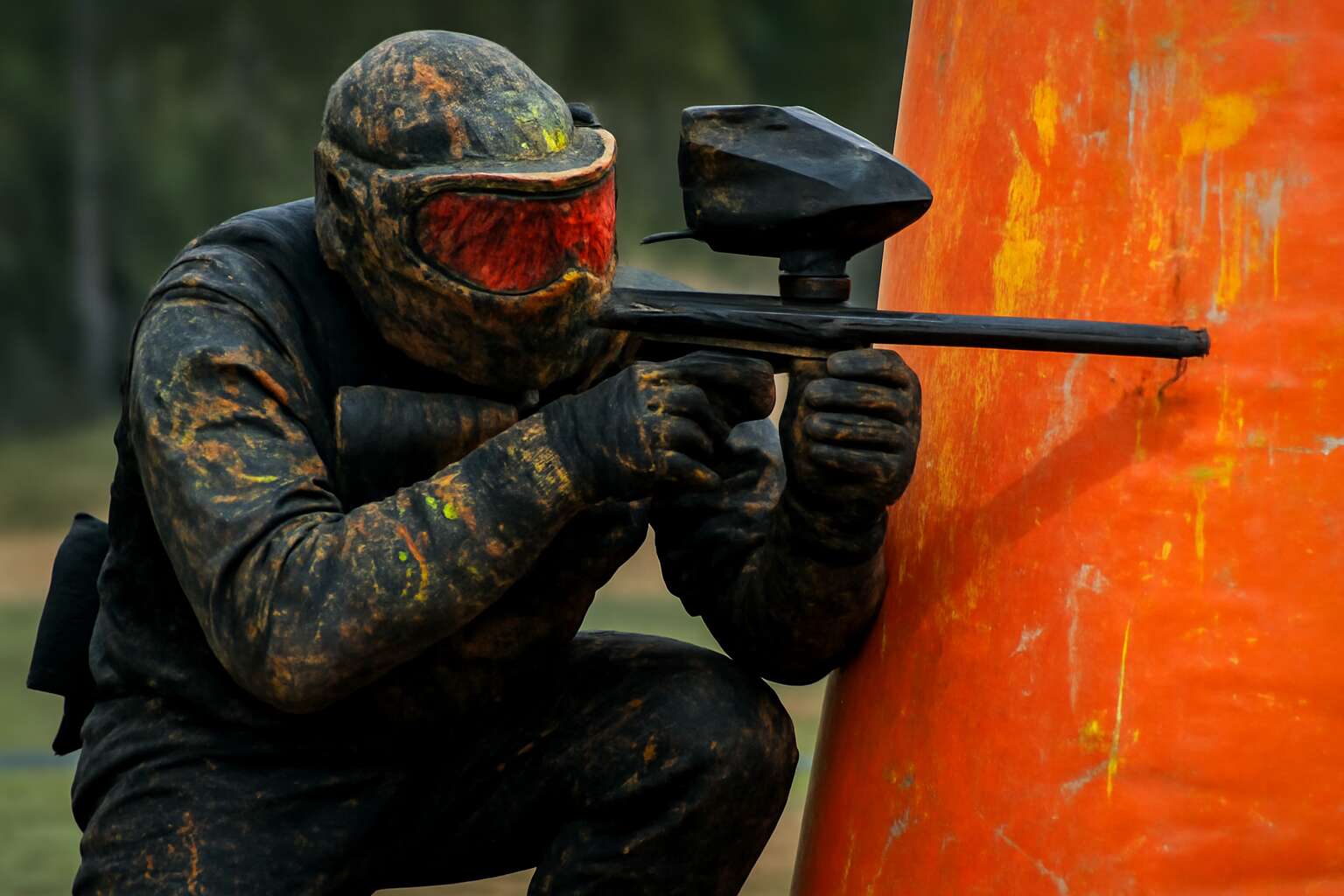
Understanding paintball injuries: causes and wound mechanics
Common wound types from paintball impact
In the hush before the whistle, the arena reveals a stubborn truth: paintball wounds are a diary written in pigment and ache. “Bruises are stories the skin can’t forget,” a veteran whispered, and I listen as the marks bloom across the field, pale witnesses to every rush of color and sound!
Causes are simple yet merciless: the pellet’s speed, distance, and the hit angle. When paintball wounds happen, energy transfers into tissue, leaving bruises, swelling, and a trace of the moment when courage collided with pigment.
Common wound types from paintball impact include:
- Welts and contusions (bruising on contact surfaces)
- Abrasions and skin scrapes
- Minor puncture-like marks where paint marks the skin
- Occasional eye or facial injuries, rare but serious and requiring care
These signatures of the game haunt the field with a pale glow, reminding players that the night can be tamed but not erased!
How ball velocity and distance affect skin trauma
A single paintball wound tells a brutal physics story: velocity, distance, and angle decide how the skin remembers the moment. On South Africa’s arenas, energy transfer turns a strike into a pigment memory, a pale witness to the field’s sudden, humming rush. Each shot writes a dark verse in skin and pigment.
Understanding paintball injuries means tracing how ball velocity and distance shape skin trauma. The closer the shot, the more energy concentrates on a small surface, magnifying the pigment’s imprint. Here are the forces at play:
- Velocity drives energy transfer into tissue
- Distance controls energy dispersion at impact
- Impact angle shapes deformation and pigment spread
These signatures of force craft the poetry of paintball wounds, where physics meets pigment on a dusk-lit field.
Protective gear and how it reduces injury risk
In the field’s rush, a split second becomes a memory sealed in pigment and skin. A veteran once whispered, “The hit stays longer than the sting.” Understanding paintball wounds means tracing how impact, energy, and angle sculpt the body’s response to shots.
Causes and wound mechanics unfold as energy’s story. Velocity drives force; distance disperses it; angle shapes deformation and pigment spread. On South African fields, these forces converge, leaving a personal imprint that lingers after the shot fades.
Protective gear is more than equipment; it is a boundary between fear and perception, a shield that can soften the arc of a hit by distributing energy and guarding vulnerable spots.
- Full-face mask and goggles
- Padded torso protection
- Gloves and padded wrists
In this pigment-laden theater, the body writes its own quiet philosophy of risk and resilience.
Skin reactions and common discomfort after a hit
The hit stings, yet memory lingers in pigment on skin. “The hit stays longer than the sting,” a veteran once said. Understanding paintball wounds traces how energy, distance, and angle shape the response.
On contact, defenses flicker in microseconds. Redness blooms, a warm ache travels, and skin tightens with adrenaline. Skin reactions range from a sharp sting to bruising, with occasional itching as pigment settles.
- Redness and heat from capillaries
- Bruising that deepens over hours
- Numbness or itching as nerves settle
Discomfort shifts with time and angle: a glancing blow can spread a mild sting across a patch, while a direct hit concentrates energy and sharpens the ache. South African fields add their own signature to each mark.
In this theatre, skin becomes a ledger of risk, a map inked by recoil. The body’s response to injuries echoes through recovery, bearing witness to the moment a ball found its mark.
First aid and immediate care for paintball injuries
Assessing severity and when to seek medical attention
Paintball wounds aren’t epic sagas; they’re quick stings that linger in memories. In South Africa, field surveys show more than half of players feel at least one sting each season, turning a game into a story about paintball wounds that refuse to fade.
Assessing severity means watching depth, swelling, and whether pain grows after impact. If redness spreads, fever appears, or joint movement is impaired, seek medical attention. A professional can tell if it’s a minor nuisance or something more serious.
Red flags to monitor include:
- Persistent bleeding
- Deep puncture or expanding redness
- Severe swelling or intense pain
- Fever or spreading warmth around the wound
When in doubt, a clinician’s assessment is the fastest route back to the field, keeping paintball wounds from sidelining your squad.
Cleaning, sanitizing, and dressing a hit wound
South Africa’s field surveys show more than half of players feel at least one sting each season, turning a brief clash into a lasting memory. I’ve learned paintball wounds arrive in a flash, but how you respond shapes the next round.
<pImmediate care centers on cleanliness and containment: keep the wound surface clean, use fresh materials, and cover with a breathable dressing. Avoid aggressive scrubbing and harsh chemicals; a gentle approach minimizes irritation and infection risk.
Key considerations for immediate care:
- Use clean, single-use dressings to cover the wound
- Avoid sharing towels or bandages at the field
- Monitor for signs like persistent redness, warmth, or swelling and seek medical advice if they worsen
Pain management strategies and when to use cold therapy
Paintball wounds arrive in a flash, yet the memory lingers only when we respond with care. In South African leagues, more than half report a sting each season, reminding us that first aid and immediate care shape the next round and the story that follows.
- Rest and protect the affected area to minimize further irritation
- Gentle comfort measures and appropriately layered clothing
- Seek medical advice if symptoms persist or worsen
Pain management in this arena of bright skies and bruised egos is about listening to the body’s quiet signals and choosing balance over bravado.
Cold therapy offers a quiet, respectful ally for the early moments after a hit, soothing swelling and easing tenderness when used with discernment. For paintball wounds, avoid applying directly to broken skin and heed professional guidance if unfamiliar symptoms appear.
What to avoid in the minutes after a hit to prevent complications
Paintball wounds flash on impact and linger in memory when the minutes after the hit are rushed or careless. On South African fields, players learn the hard truth: smart, restrained care reduces swelling, preserves skin, and keeps momentum in the game.
What to avoid in the minutes after a hit:
- Don’t rub or massage the affected area; friction escalates irritation.
- Don’t apply heat or direct heat to open skin or broken areas.
- Don’t remove clothing stuck to the wound or scrub it aggressively.
- Don’t ignore persistent redness, warmth, or swelling—seek advice if these worsen.
Heeding these quiet cautions helps keep the body balanced and ready for the next round of paintball adventures.
Wound types and healing timeline in paintball scenarios
Bruises, welts, and abrasions: expected progression
Across South Africa’s sun-soaked fields, a single hit can leave a lasting mark—the kind that paints a quick narrative on the skin! Paintball wounds follow a familiar arc: bruises darken, welts swell, and abrasions scuff the surface, each trace telling part of the game’s story.
- Bruises: red initially, blue-purple within 2–3 days; fades over 1–2 weeks.
- Welts: raised, redden quickly, flatten within a few days; may linger longer in sensitive areas.
- Abrasions: superficial scrapes that crust over and heal in about a week.
Individual healing varies, with paintball wounds leaving different traces depending on skin type and field conditions.
Puncture-like hits and how they heal
Across South Africa’s sun-burnished fields, paintball wounds carve a quiet diary on the skin, some fading with the dusk, others lingering like memory. A veteran marshal once whispered, “Every hit writes a line in the skin’s diary.” The impact itself is a tiny puncture-like sting, beginning a personal healing arc for these wounds.
Healing unfolds in a simple rhythm, driven by skin type and field conditions. For paintball wounds of this kind, the arc is predictable yet intimate.
- Immediate phase: Tiny puncture wounds sting briefly and seal over quickly.
- Early healing (days 2–5): Mild swelling eases; a crust forms as new tissue begins.
- Late phase (week): Marks fade and pigment change is minimal in healthy skin.
In many players, these wounds close within a week, leaving only a faint trace that the veld quickly forgets while the memory lingers for those who read the marks as a map of battle.
Infection signs and prevention steps
The skin keeps score, a veteran marshal once whispered, and paintball wounds tell their own ledger on South Africa’s sunlit fields. Wound types range from fine puncture-like stings to shallow abrasions, each with a distinct healing tempo. The arc runs in three quiet movements: an immediate phase where the sting seals; early healing (days 2–5) where swelling eases and a light crust forms; and late phase (week) when pigment shifts fade and the skin resumes its weathered song.
Infection signs and prevention steps center on vigilance and calm care. Here are the indicators and the guiding principles that help keep paintball wounds on the right side of healthy healing.
- Signs of infection: redness spreading, warmth around the wound, increasing pain, drainage or fever.
- Prevention principles: maintain clean hands and gear, keep wounds protected, and avoid irritants.
- When to seek help: if redness enlarges, pus increases, or fever appears.
Healing timeline from first aid to full recovery
Paintball wounds aren’t random stings but field reports written in adrenaline and red paint. On South African fields, a minor hit colors the day with memory, a tiny badge earned under the sun. A veteran marshal quips that the sting is the headline and healing is the fine print.
Healing unfolds in three acts. Here’s the timeline, from first aid to full recovery, expressed as a calm progression:
- Immediate phase: the sting seals a protective barrier; skin appears briefly red and warm, then settles.
- Early healing (days 2–5): swelling eases and a light crust forms; new skin begins to show.
- Late phase (week+): pigment shifts fade and the skin resumes its weathered texture in time.
As weeks pass, these phases converse with sun and field grit, guiding the skin back to its usual tone and feel—until the memory of the hit is all that remains of paintball wounds.
Preventing paintball injuries: gear, technique, and field best practices
Selecting and fitting protective equipment for players
Protection against paintball wounds begins with gear. In South Africa’s arenas, a well-fitting mask and padding stand between skin and impact, turning potential scars into stories of resilience.
Selecting and fitting protective equipment for players means masks that seal without fogging, pads that cover core zones, and comfortable straps.
- Mask seals without fogging
- Pads cover shoulders and chest
- Straps stay secure in heat
Technique and field best practices—like measured movement, predictable engagements, and clear signals—prime safety as dusk settles over dusty veld. I listen for the whistle and keep eyes on the next cover!
Protective gear is a guardian, not a garnish, against the unknown.
Safe play techniques and field rules to reduce injuries
The field pulse in a South African arena beats fast, yet resilience shows in careful, composed play. Across SA communities, safety culture often shapes memory more than the score.
Preventing paintball injuries moves on three pillars: gear that fits and breathes, technique that emphasizes measured movements, and field best practices that keep play fair and predictable. It’s not just about equipment; it’s about how players carry themselves—steady footing, clear lines of sight, and respect for the space around you.
- Gear fit and ventilation to prevent overheating and fogging
- Controlled body positioning and spacing to reduce risky contacts
- Adherence to field signals and safe zones to maintain flow
Paintball wounds become stories of caution and character when players choose mindfulness over impulse, turning engagements into measured chapters of the game. This mindfulness helps reduce pain and keeps the field a place for stories, not scars.
Surface, weather, and impact considerations on the field
Safety isn’t padding alone—it’s rhythm, restraint, and awareness. “Careful moves win wars on the field,” a veteran once told me, and that truth sticks. In SA arenas, a calm approach protects players from sudden, painful missteps and turns a hit into a story of skill rather than paintball wounds.
Gear that fits and breathes matters as much as movement. To prevent overheating and fogging, choose a well-fitted mask, moisture-wicking jersey, and vented gloves.
- Breathable, moisture-wicking fabrics
- Properly fitted, vented mask
- Lightweight, breathable gloves
Technique and field practices come next. Controlled body positioning and spacing reduce risky contacts on uneven surface. On hot days or dusty fields, hydration and timing matter; always heed field signals and stay in safe zones to maintain flow. That mindset keeps paintball wounds to a minimum.
Equipment maintenance and skin-protective practices
On South Africa’s sun-drenched fields, a hard-won truth still shines: careful moves win wars on the field. A veteran’s voice rings clear: rhythm, restraint, and awareness keep players alive to tell the story another day.
Three gear foundations set the tone:
- Properly fitted, vented mask
- Moisture-wicking jersey
- Lightweight, breathable gloves
In practice, technique and field habits sustain momentum while lowering risk. Controlled body positioning, measured spacing, and hydration keep players balanced on uneven terrain. This mindful approach helps prevent paintball wounds from turning a hard-fought win into lingering soreness.
Equipment maintenance and skin-protective practices seal the shield. Inspect gear after games, clean and dry surfaces, check seals and lenses, and store equipment properly. Apply sunscreen, wear appropriate sleeves, and keep skin protected as field conditions demand.

0 Comments